Key Takeaways
- One meeting can set the main direction for cremation, service plans, notices, and family coordination.
- Families do not need every photo, reading, or obituary detail ready before they arrive.
- A viewing, funeral, memorial service, graveside ceremony, or private gathering can all be discussed with cremation.
- Some details depend on family input, venue schedules, and the availability of clergy or celebrants.
- Bringing basic information and questions is enough to begin.
One Visit Does Not Mean One Rushed Set of Decisions
A single visit can accomplish much more than many families expect, especially when arranging
cremation Pittsburgh, PA. It can establish the service direction, begin necessary paperwork, identify who needs to be involved, and create a clear next-step plan.
The common fear is that one appointment means making every decision immediately. That is not the reality. The first visit is usually about separating the choices that guide the arrangements now from the personal details that can be gathered carefully afterward.
This is especially helpful when relatives are grieving, working different schedules, or living outside the area. Rather than waiting until everyone agrees on every reading, photograph, or flower choice, families can begin with the decisions that make the rest of the planning possible.
Myth: Cremation Means There Is No Service to Plan
Cremation does not remove the opportunity for a meaningful service. It simply gives families several ways to decide when and how they want people to gather.
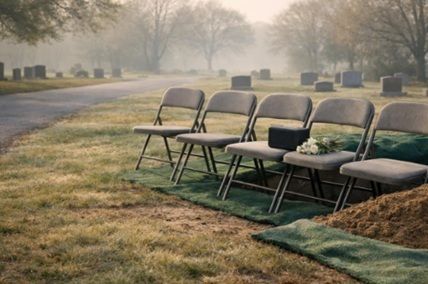
A family may arrange a traditional funeral before cremation, a memorial service afterward, a graveside ceremony, or a smaller private time for close relatives. The first appointment can be used to discuss which approach best fits the person being honored, the family’s traditions, and who needs the chance to attend.
For families considering a service after cremation, this guide to
cremation with memorial service explains the basic flow and expectations. The important point is that cremation and ceremony are not competing choices. They can be planned together.
Myth: Everyone Must Agree on Every Detail Before the Visit
Families can come to the appointment with different opinions and still make good progress. A funeral director can help identify the decisions that affect timing first, then leave room for thoughtful choices later.
- The overall service direction: Decide whether the family is leaning toward a
funeral, memorial service, graveside gathering, private farewell, or another format.
- Who should be included in decisions: Identify the relatives or friends who need updates, input, or the ability to join by phone or video.
- General timing and location preferences: Discuss preferred days, whether a church, chapel, graveside setting, or chosen venue may be appropriate, and whether travel needs affect the schedule.
- Military recognition needs: If the person served in the military, raise that early so the funeral home can help coordinate honors and guide the family through available benefit information.
- Details that can wait: Obituary wording, music selections, photographs, readings, and personal stories can often be completed after relatives have had time to contribute.
What Families Can Often Arrange During a Cremation Visit
1. Establish the Type of Farewell
The first priority is usually deciding what kind of gathering feels right. This decision guides the rest of the conversation, including timing, location, and how guests will be notified.
A family may choose a full funeral before cremation, a memorial service afterward, or a quiet private gathering. If the family is unsure, it is enough to explain what matters most, such as faith traditions, privacy, a large circle of friends, or the wish for a simple gathering.
2. Discuss Timing, Location, and Participation
Next, the family can discuss possible dates and settings. Some choices depend on the availability of a church, clergy member, life celebrant, cemetery, or other venue, so it is wise to keep more than one date in mind.
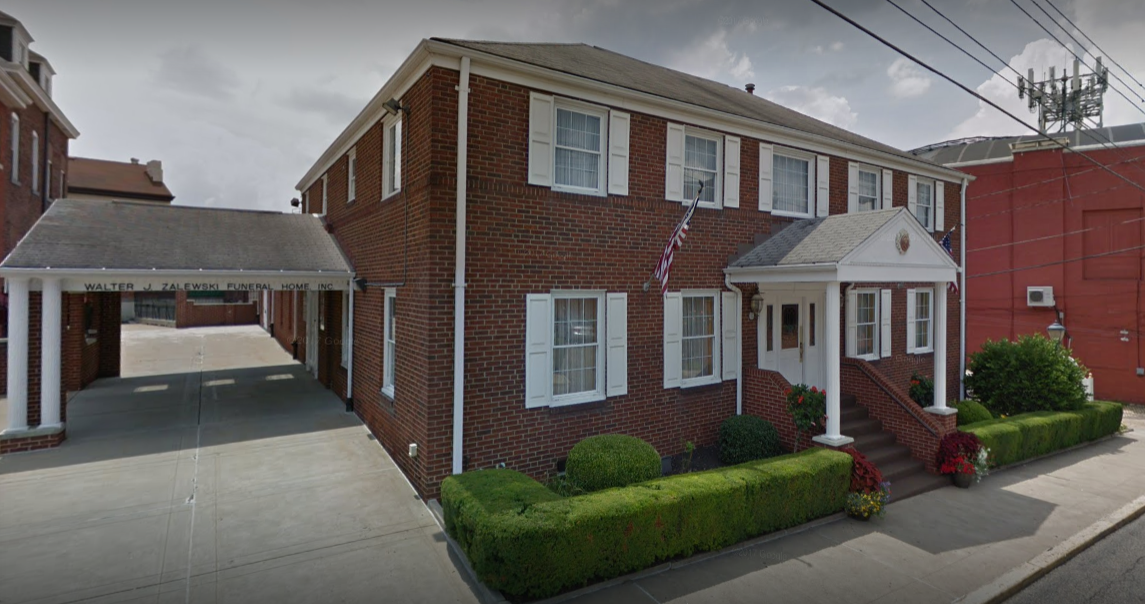
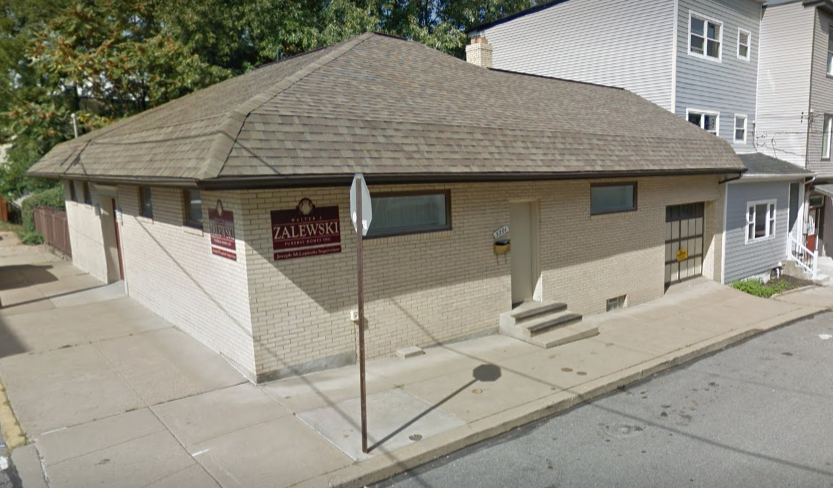
Walter J. Zalewski Funeral Homes, Inc. can also discuss livestreaming for relatives and friends who cannot attend in person. This can be especially meaningful when family members live outside Pittsburgh or cannot travel on short notice.
3. Begin the Obituary and Online Memorial Plan
An obituary does not have to be fully written at the arrangement table. Families can start with essential facts, service information, and the names of immediate relatives, then send additional memories or corrections afterward.
Online memorial pages can give people one reliable place to find service details, share condolences, and send notices to others. This reduces the pressure on one family member to answer the same questions repeatedly while managing grief.
4. Start Tribute Video and Livestream Choices
A tribute video can begin with a simple plan, even if no photographs are ready that day. Decide who will collect images, where they are stored, and which family member can help identify people or moments shown in older pictures.
Music can be handled the same way. A few early ideas are useful, but families should not feel forced to choose every song before they have had time to talk together.
5. Discuss Memorialization Preferences
The arrangement meeting can also cover how the family wants to create a lasting place or form of remembrance. Options may include keeping a memorial item at home, placement in a columbarium, or in-ground burial.
This conversation does not need to be rushed. What matters is knowing whether the family has an immediate preference or needs time to speak with relatives before deciding.
6. Review Paperwork and Coordination Needs
The funeral home can explain the information and authorizations needed to move arrangements forward. Bring any available identification, military discharge information if applicable, and the names and contact details of people who should be involved.
If another funeral home, cemetery, church, or out-of-town relative is part of the plan, mention that during the first meeting. Early communication helps prevent crossed messages and makes it easier to coordinate responsibilities.
Myth: Personalization Has to Be Finished at the Arrangement Table
Personal touches often become clearer after the first meeting, not during it. A family may remember a favorite song after going home, locate photographs in a drawer, or hear a story from a relative who could not attend the appointment.
The practical goal is to start a list. Assign one person to collect photos, another to gather music ideas, and another to ask relatives for short memories or readings. This prevents important details from being lost in a busy group message.
Families seeking a nontraditional service can also ask about trained life celebrants. A celebrant can help shape a service around the person’s character, relationships, milestones, and values without requiring a traditional religious format.
What May Need Follow-Up After the Initial Meeting
- Family contributions: Photos, stories, obituary details, and music choices may arrive over several days.
- Scheduling confirmations: Final times can depend on chosen venues, clergy, celebrants, cemetery arrangements, and family travel plans.
- Documents: Some information may need to be located by relatives after the meeting.
- Flowers and printed materials: These choices are often easier once the service date, location, and guest expectations are settled.
- Out-of-town coordination: Relatives may need time to confirm travel, participate remotely, or send memories for the service.
Follow-up does not mean the first meeting was incomplete. It means the family has created a workable plan while leaving space for the people and details that matter.
Preparing for the Visit Without Feeling Pressured
- Bring what you have, not what you think you should have: Basic personal information, available documents, and contact details are helpful, but missing items can usually be addressed later.
- Write down immediate questions: Families often remember important concerns after leaving. A short list can make the meeting feel more manageable.
- Invite the right people: Bring those whose input matters most, or arrange a way for others to participate from a distance.
- Share the person’s priorities: Mention faith, military service, cultural traditions, privacy needs, or a wish for a personal celebration. These details help shape the plan early.
- Give yourselves permission to pause: You can make the central choices first and return to the smaller personal details once everyone has had time to reflect.
For
compassionate guidance with
cremation Pittsburgh, PA arrangements, families in Pittsburgh, Lawrenceville, and Bloomfield can speak with Walter J. Zalewski Funeral Homes, Inc. at
(412) 682-3445 to begin a plan that respects both practical needs and the life being honored.
Frequently Asked Questions
Can Cremation Arrangements and A Memorial Service Be Planned in the Same Visit?
Yes. Families can discuss cremation and establish the direction for a memorial service during the same appointment. Final choices such as readings, photos, music, and obituary wording may be completed afterward.
What Decisions Need to Be Made First?
The earliest decisions usually involve the type of service, who should be included in planning, general timing, and whether there are special needs such as military honors or out-of-town coordination. A funeral director can help families sort urgent choices from details that can wait.
Can We Have A Viewing or Funeral Before Cremation?
Yes. Cremation can follow a traditional funeral or viewing if that is what the family prefers. It can also be paired with a memorial service or private gathering at another time.
Can Family Members Send Photos and Obituary Information Later?
Yes. Many families begin with essential information and add photographs, stories, names, and obituary details after the first appointment. Setting one person to collect materials can keep the process organized.
How Can Relatives Outside Pittsburgh Participate?
Relatives may be able to share obituary information, send photographs and memories, help make decisions by phone, and attend through livestreaming when available. Mention their involvement early so participation can be planned thoughtfully.