Key Takeaways
- Choose one person who is dependable, willing, and able to speak clearly during a difficult time.
- Tell that person more than “I want cremation,” including the kind of farewell you want.
- Keep your preferences and important contact information in one known, easy-to-find place.
- Let close relatives know who you selected before a loss creates pressure and confusion.
- A funeral home can help your family understand service and memorialization choices.
Why Choosing One Trusted Person Can Bring Clarity
For
cremation Pittsburgh, PA, naming one trusted person can make a hard moment more manageable for everyone involved. This person does not need to make every decision alone. Their role is to clearly communicate what you wanted, locate the information you prepared, and help prevent loved ones from guessing.
Without a designated person, relatives may have different memories of what you said or different ideas about what should happen. Even a close family can struggle when decisions must be made quickly. Choosing someone early gives your wishes a clear voice when you are no longer able to explain them yourself.
A Checklist for Choosing the Right Person
The best choice is not always the oldest child, closest relative, or person who lives nearest. Consider who can handle this responsibility with care and steadiness.
- Trustworthiness: Choose someone who respects your values and is likely to follow your preferences, even if others would choose differently.
- Willingness to Serve: Ask directly if they are comfortable taking on this role. A person should never be surprised by the responsibility after a death.
- Calm Under Pressure: Grief can make ordinary decisions feel overwhelming. Select someone who can listen, ask questions, and avoid being pushed into choices that do not reflect your wishes.
- Awareness of Family Dynamics: A trusted person should understand relationships that may be sensitive, including relatives who need extra communication or who may hold strong expectations about services.
- Availability: They do not need to live nearby, but they should be reachable and able to communicate promptly with family members and funeral professionals.
- Comfort Speaking With Professionals: Your chosen person should be prepared to share information, ask for clarification, and review arrangements carefully.
If one person has the right heart but may need help with details, name a second person who can support them. Be clear about who should take the lead so family members do not receive mixed messages.
Make Sure They Understand the Cremation Wishes
“I want cremation” is a starting point, not a complete plan. Talk through the choices that matter most to you, including which decisions are flexible and which feel important.
- A farewell before cremation: Let them know whether you would want a private goodbye, a viewing, or no gathering beforehand.
- Type of service: Explain whether you prefer a traditional funeral, memorial service, church service, chapel gathering, graveside ceremony, or a personal gathering led by family.
- Timing: Share whether you would want a service soon after death or whether relatives should have time to travel before gathering.
- Personal touches: Note readings, music, photographs, military recognition, faith traditions, or a life celebrant-led service that would feel appropriate.
- Memorialization: Discuss whether you would prefer cremated remains to be kept in a meaningful place, placed in a columbarium, buried in a cemetery, or handled in another respectful way.
A good conversation also includes what you do not want. That may be a large public service, certain religious elements, or a formal gathering. Clear boundaries can be just as helpful as a list of preferences.
For a broader look at why families consider this choice, read
why more families are choosing cremation services.
Put Practical Information Where They Can Find It
A thoughtful plan only helps if the right person can locate it. Keep a written summary in a secure, accessible place, and tell your trusted person exactly where it is stored.
- Funeral home contact details: Include the provider you prefer and any notes from prior conversations.
- Preplanning materials: Keep completed forms, checklists, and written preferences together.
- Personal identification information: List the basic details your family may be asked to provide, along with the location of relevant documents.
- Service notes: Add names of people to notify, obituary details, preferred clergy or celebrant, and any wishes for music, readings, or photographs.
- Important document locations: Identify where documents, military discharge papers, cemetery information, or other relevant records are kept.
Review this information after major life changes, such as a move, a death in the family, or a change in the person you selected. An outdated plan can create nearly as much uncertainty as no plan at all.
Talk with Family Before a Crisis Creates Confusion
Telling your family about your choice is not about seeking permission. It is an act of care that helps them understand your intentions while there is time for a calm conversation.
- Begin with your reason. Explain that you chose someone to reduce pressure and make your wishes easier to follow.
- Name the person clearly. Avoid vague statements such as “my family will know.” Tell close relatives who will communicate your preferences.
- Share the main decisions. Briefly explain your wishes for cremation, a service or gathering, and memorialization.
- Acknowledge differing feelings. Family members may have traditions or hopes of their own. Listen respectfully, but be clear about what matters most to you.
- Give everyone a place to find the plan. Let relatives know where your written information is kept without requiring them to memorize every detail.
Waiting often leaves loved ones to sort through uncertainty while grieving. Speaking now may feel uncomfortable, but it can prevent conflict later and give your family a clearer path forward.
When to Contact a Funeral Home
You can speak with a funeral home before a death occurs, not only during an immediate need. A planning conversation can help you understand what information your chosen person should have, how a service can reflect your life, and what memorialization options may fit your preferences.
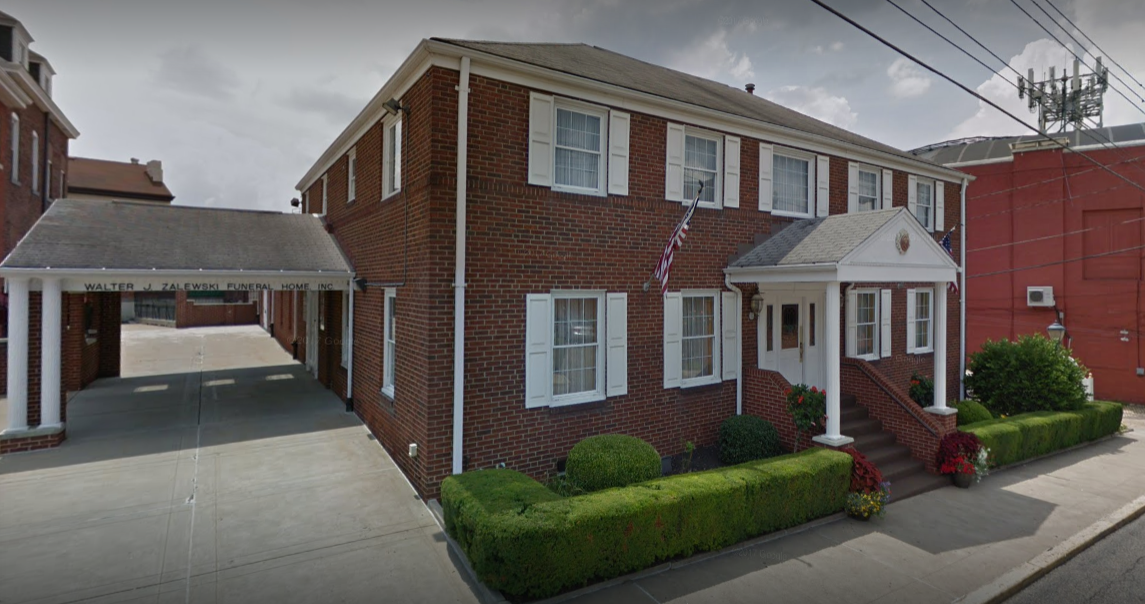
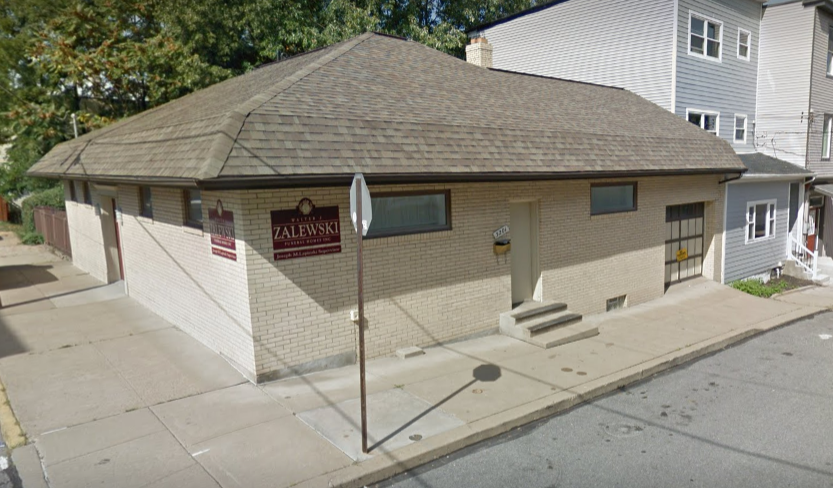
Walter J. Zalewski Funeral Homes, Inc. supports families in Pittsburgh, Lawrenceville, and Bloomfield with cremation arrangements, traditional funerals, memorial services, graveside ceremonies, and grief resources. Their team can also help families think through personalization, online memorials, tribute videos, live streaming, and options for honoring veterans.
If you are preparing your wishes or facing a recent loss,
a conversation about
cremation Pittsburgh, PA can bring practical clarity without requiring every detail to be decided at once. To discuss next steps with Walter J. Zalewski Funeral Homes, Inc., call
(412) 682-3445.
Frequently Asked Questions
Who Should I Choose to Carry Out My Cremation Wishes?
Choose someone who is dependable, willing to take on the responsibility, and able to communicate calmly with family members and funeral professionals. This may be a relative, close friend, or another person who understands and respects your preferences.
Should I Tell My Family Who I Selected?
Yes. Tell close relatives who you selected and explain why you made that choice. This reduces confusion and helps prevent family members from assuming someone else is responsible for sharing your wishes.
What Should My Trusted Person Know?
They should know whether you want a service, viewing, private goodbye, graveside gathering, or no formal gathering. They should also understand your wishes for personal elements, faith traditions, notifications, and memorialization.
Where Should I Keep My Cremation Preferences?
Keep written preferences with other important planning materials in a secure, accessible location. Tell your trusted person where to find them, and consider giving them a copy of the most important information.
Can a Funeral Home Help My Family Understand the Options?
Yes. A
funeral home can explain available service choices, help your family organize a meaningful tribute, and guide them through the next steps. Early conversations can also make it easier to prepare practical information before it is needed.