For families planning
cremation in Pittsburgh, PA, the stories that matter most are often not the big milestones. A familiar saying, a weekly tradition, a small act of kindness, or a memory that still makes someone laugh can reveal far more about a person than a timeline of events.
Gathering those memories gives people a way to take part when they may not know what else to do. It also creates a fuller tribute, especially when relatives and friends knew different parts of a loved one’s life.
What Stories Help a Celebration of Life Feel Personal?
The most meaningful stories are specific. They show how a person treated others, what brought them joy, what they believed in, and the ordinary habits that made them recognizable to the people who loved them.
Major accomplishments belong in a tribute, but they do not need to carry it alone. A story about always sending birthday cards, making the same holiday dish, cheering from the sidelines, or offering a calm word at the right time may stay with listeners longer than a list of positions or awards.
When you know little about someone’s early years, ask people who knew them then for one clear memory rather than a complete history. A former classmate, longtime neighbor, cousin, or coworker may remember a detail that helps connect the different chapters of a life.
Who Should Be Asked to Share a Memory?
Invite people from different circles. No one person holds every part of a life, and a wider group often brings forward memories close family members have never heard.
- Immediate Family:
Ask about daily routines, family traditions, private jokes, and the values your loved one passed down.
- Friends: They may recall shared hobbies, travel, celebrations, or the way your loved one showed up during difficult times.
- Colleagues and Former Coworkers: Their stories can reveal work ethic, mentorship, humor, and friendships built over many years.
- Neighbors:
Neighbors often notice quiet generosity, familiar routines, and the everyday ways someone strengthened a community.
- Faith or Community Members:
These voices may speak to service, fellowship, traditions, or meaningful connections outside the home.
- Younger Relatives:
Children and grandchildren may remember simple moments with unusual clarity, such as a favorite game, meal, or nickname.
Make participation optional. Someone may be too emotional to speak, may prefer to write a few lines, or may not be ready to share at all. A gentle invitation is enough, and silence should never be treated as a lack of love.
If your family needs help coordinating the many details around a service, this guide to
family support during cremation arrangements in Pittsburgh can help clarify what to organize and when.
What Questions Can Help People Remember?
Broad questions such as “Do you have a memory?” can feel hard to answer when grief is fresh. A focused prompt gives people a place to begin and usually brings out more vivid details.
- What did they say often? Include favorite expressions, advice, nicknames, or words they used when encouraging someone.
- What tradition did they help create or keep alive? Ask about holidays, meals, gatherings, music, faith practices, or annual routines.
- When did they show kindness that you still remember? Small acts of help often tell a powerful story about character.
- What were they proud of? This might include family, work, service, a skill, a garden, a team, or a personal goal.
- What could always make them laugh? Humor can bring warmth to a gathering when it is shared with care.
- What is one ordinary moment you would gladly have again? This question often leads to the most personal reflections.
- What did you learn from them? Answers can become a meaningful thread through readings or remarks.
How Can Families Collect Stories When Time Is Short?
You do not need dozens of polished submissions. A handful of well-chosen memories can create a warm, honest tribute. Start with a simple process and give people a clear deadline.
- Choose one organizer. Ask one person to receive stories, track names, and keep copies in one place. This prevents messages from getting lost across several phones.
- Send one short request. Use text, email, or a family group message. Ask for one memory, a photo if they wish, and the name they would like attached to their submission.
- Offer more than one way to respond. A voice note can be easier than writing. Long-distance relatives can send an email, make a brief call, or record a message for someone else to write down.
- Create a shared document.
Keep written memories, names, and notes together. Avoid asking everyone to edit the same document if that could become confusing.
- Set a practical limit. For spoken remarks, select a few stories that fit the available time. Save the rest for a printed collection, memory display, or family keepsake.
- Follow up gently. A brief reminder can help, but do not pressure anyone whose grief is too close or overwhelming.
Short submissions can still become meaningful. Group them by themes such as generosity, family traditions, humor, or perseverance, then read several brief memories together as one tribute.
How Do You Handle Conflicting Memories or Sensitive Stories?
People can remember the same event differently, especially in a large family. You do not need to decide whose version is definitive. Choose stories that are sincere, respectful, and appropriate for the people gathering to remember the person.
Not every
meaningful memory belongs in public remarks. Some are best kept for a smaller family conversation, a private letter, or a personal journal. If a story is being read aloud, edit for length and clarity, but preserve the contributor’s voice and the heart of what they meant.
When uncertainty arises, ask one question: will this help those present feel connected to the person being honored? If the answer is unclear, set it aside rather than forcing it into the program.
How Can Collected Stories Be Used During the Celebration?
Stories do not all need to be delivered from a podium. Using them in different ways lets more people participate and gives guests time to take them in quietly.
- Spoken Remarks:
Choose several stories that show different sides of the person, then keep each reading brief enough for listeners to stay present.
- A Memory Table: Place printed memories beside photographs or meaningful personal items for guests to read during visitation or a gathering.
- A Printed Tribute: Create a simple booklet or card with selected quotes, favorite sayings, and short recollections for family members to keep.
- A Slideshow:
Pair photographs with short captions or remembered phrases instead of relying only on names and dates.
- A Guest Book Prompt: Invite attendees to write one thing they will remember, then preserve those pages for the family.
- Informal Conversation:
Leave space for guests to tell stories naturally. Often, the most comforting moments happen before or after the formal service.
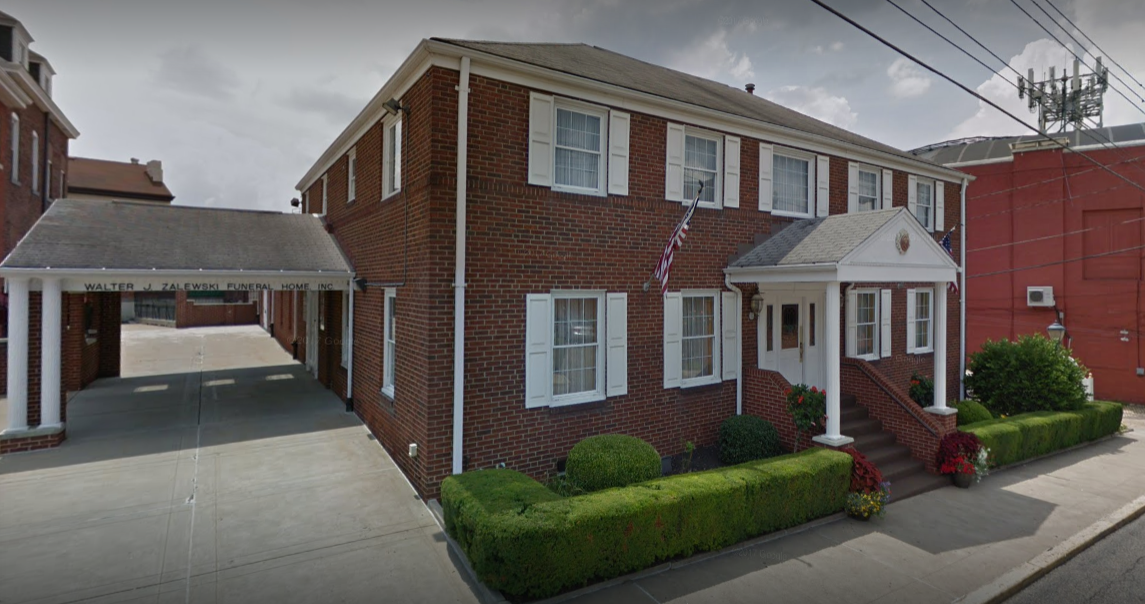
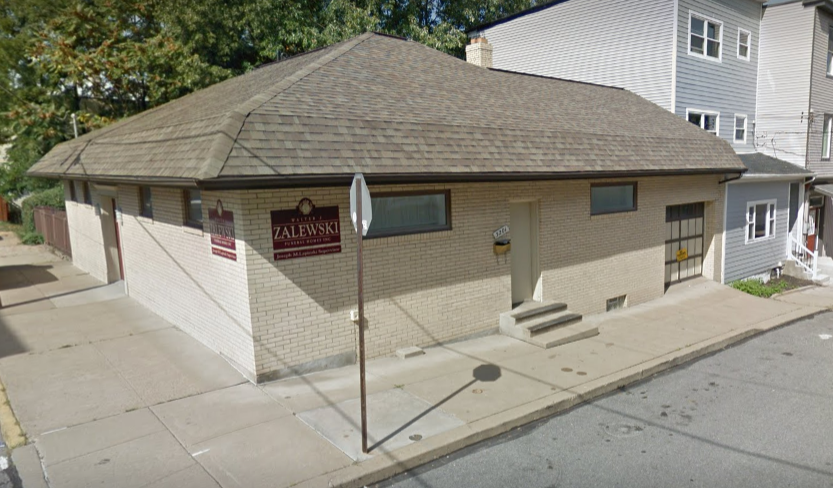
For cremation in Pittsburgh, PA, Walter J. Zalewski Funeral Homes, Inc. can help your family think through
ways to include personal memories with care and without making the gathering feel rushed. To discuss the next steps and the support available, call
(412) 682-3445.