Key Takeaways
- A well-chosen reading gives guests words for grief, gratitude, faith, or remembrance.
- The tone of the memorial should guide every reading choice.
- Two or three brief readings often work better than a long list of passages.
- Readers need clear preparation, including permission to pause or ask for help.
- A sincere delivery matters far more than a flawless one.
Begin with the Purpose and Tone of the Memorial
Readings can give a memorial service a quiet center. For families arranging
cremation services Pittsburgh, PA, they offer a way to express what may be difficult to say personally, whether that is love, sorrow, faith, gratitude, humor, or hope.
Start by deciding what you want guests to carry with them when the service ends. A prayer may suit a faith-centered gathering, while a short poem, letter, or family story may fit a more personal memorial. The setting matters, too. A chapel, church, graveside ceremony, or chosen venue may shape the pace and tone of the words you include.
There is no requirement to choose a famous passage or to make every reading solemn. The most fitting selection is one that sounds truthful to the person being remembered and comforting to the people who loved them.
1. Decide What You Want the Reading to Express
Before searching for a poem or passage, identify the feeling each reading should hold. This keeps the service from becoming a collection of words that are meaningful on their own but do not work together.
- Name the central message. You may want to honor a life of devotion, acknowledge the pain of loss, recognize military service, celebrate a lively personality, or offer reassurance to those who are grieving.
- Choose one clear purpose for each reading. A brief prayer might offer comfort, while a letter from a grandchild could show the person’s warmth and humor. Distinct roles help each reading land with more meaning.
- Use more than one only when it serves the service. Two or three short readings can create a balanced program. Too many selections may make guests lose track of the message, especially when emotions are already heavy.
Families who are considering different forms of memorialization may also find it helpful to read about
why more families are choosing cremation services. The service can still include the familiar elements that give people time to reflect and say goodbye.
2. Choose a Source That Feels Authentic
A cremation memorial may include religious, nonreligious, cultural, or family-written readings. What matters is that the words genuinely fit the person and the gathering.
- Sacred texts and prayers: A scripture passage, prayer, psalm, or devotional reading can provide comfort in a service shaped by faith. If a church is involved, ask clergy about readings that fit its order of worship.
- Poetry: Poems can express grief and love in a concise way. Choose one that is understandable when heard aloud, not only meaningful when read silently.
- Literature: A passage from a favorite book, essay, or play may reflect a person’s values, humor, or outlook on life.
- Song lyrics: Lyrics can be powerful, but a printed alternative, a short spoken introduction, or an instrumental selection may be more practical depending on the setting and permissions.
- Letters and original writing: A handwritten note, journal entry, family tribute, or words written specifically for the service can feel especially personal.
- Family stories: A short memory about a habit, saying, tradition, or act of kindness can be as moving as a formal reading. Keep it focused enough that listeners can follow it easily.
Cultural and religious traditions deserve the same care. If a family has meaningful prayers, language, or customs, include them in a way that feels respectful and comfortable for those participating.
3. Match the Reading to the Service Format and Moment
The place where a reading appears can change how it is heard. A passage at the opening invites people into the service, while one near the end can give guests a final thought to take with them.
- At the welcome: A brief reading can set a calm tone before music, remarks, or a eulogy. This works well when guests need a moment to settle.
- Before or after a eulogy: A reading can introduce the themes a speaker will discuss, or it can give the room a pause after personal remarks.
- Alongside photographs or a tribute video: Spoken words can add context to family photographs without competing with the images. Keep the reading brief enough that guests can absorb both.
- During a quiet reflection: A poem, prayer, or instrumental moment gives people space to think privately. This can be useful when the service includes several speakers.
- Before a committal or other final moment: A reading may provide closure when the family gathers for a graveside service or another meaningful farewell. Confirm the plan with the venue and service leader beforehand.
- At the close: A final blessing, hopeful passage, or family statement can bring the memorial to a gentle ending.
The order may look different in a church than in a chapel or family-selected venue. A
funeral director or celebrant can help arrange the program so it feels natural rather than rushed.
4. Select and Prepare the Reader
The best reader is not always the person who loved the deceased most deeply. Choose someone who is willing, comfortable speaking aloud, and able to get through the selection without feeling pressured to perform.
- Invite, do not assign. Tell a family member or friend why you thought of them, then give them room to decline. Grief affects people differently, and saying no is not a sign that they cared less.
- Provide a clean printed copy. Use large, readable type and mark pauses, names, or unfamiliar words. If the reading is in another language, provide pronunciation guidance when helpful.
- Encourage one practice reading. Reading aloud often reveals passages that are too long or difficult to say. It also helps the speaker find a natural pace.
- Plan for emotion. Tears and pauses are normal. Give the reader permission to stop, take a breath, or hand the page to a backup reader.
- Choose a backup in advance. A celebrant, clergy member, funeral professional, or another trusted guest can step in if needed. This simple plan removes pressure from the original reader.
5. Personalize the Presentation Without Overcomplicating It
A short introduction can make a familiar poem feel personal. One sentence is often enough: “This was one of her favorite passages,” or “These words remind us of how he cared for his family.” The explanation helps guests understand why the selection belongs in the service.
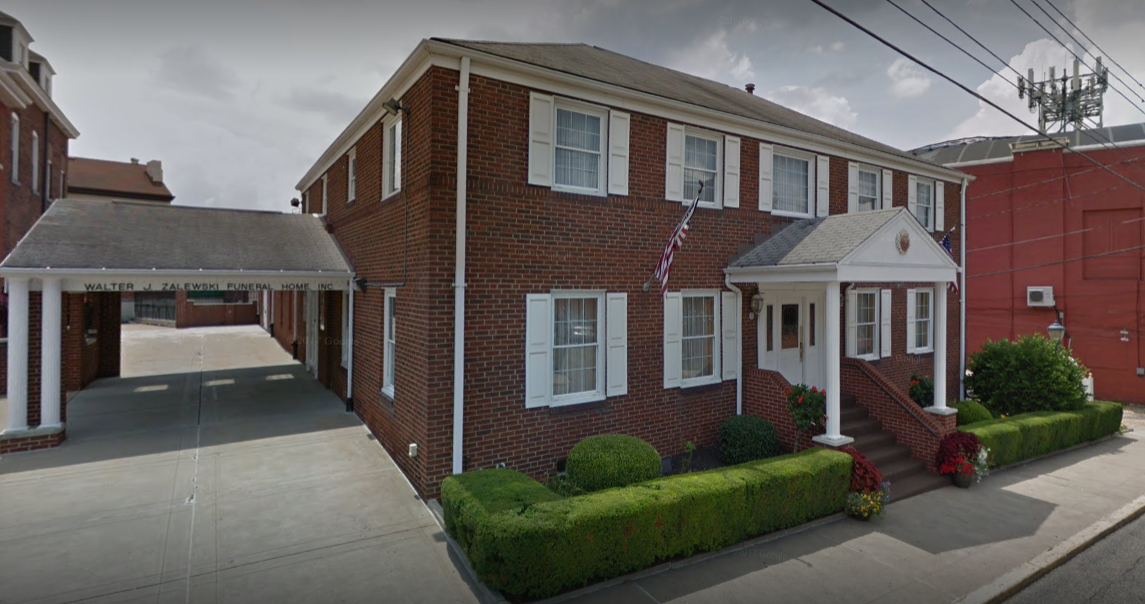
You may also print the reading in a program, display it with photographs, or invite remote guests to follow along through live streaming when it is available. Walter J. Zalewski Funeral Homes, Inc. can help families consider practical details such as tribute videos and service coordination.
Avoid trying to include every favorite poem, song, and memory. A coherent memorial usually feels more comforting than a packed program. Leave space for silence, music, and the natural emotion in the room.
6. Review the Plan with Your Funeral Home and Leave Room for Emotion
A final review prevents small details from interrupting an important moment. Confirm who will read, when they will come forward, how long each selection will take, and whether microphones, music, programs, or live streaming need to be arranged.
- Review the service order. Make sure each reader knows where they fit and who will introduce them.
- Check materials. Bring printed copies for the reader, the service leader, and a backup person. If a reading will appear in a program, proofread names and wording carefully.
- Confirm venue needs. Ask about microphone placement, music cues, seating, and any guidance that affects the flow of the gathering.
- Make a gentle backup plan. Decide who will continue if a reader becomes overwhelmed, and let the reader know that this is completely acceptable.
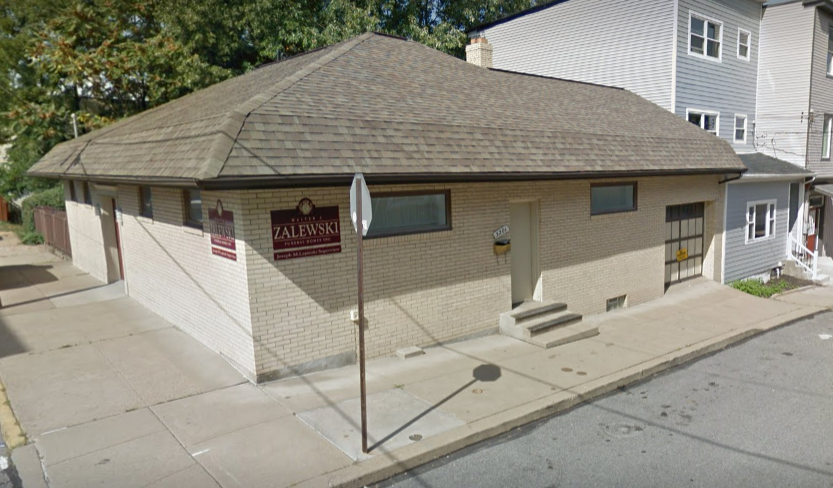
Meaningful readings do not need perfect delivery. They need honesty, appropriate timing, and a setting where people can listen without hurry. For help planning a cremation memorial with readings that reflect your loved one, Walter J. Zalewski Funeral Homes, Inc. serves families in Pittsburgh, Lawrenceville, and Bloomfield, PA. To
discuss cremation services Pittsburgh, PA and the details of a personal service, call
(412) 682-3445.
Frequently Asked Questions
What Types of Readings Work Well for a Cremation Memorial?
Appropriate choices include scripture, prayers, poems, literary passages, personal letters, song lyrics used thoughtfully, and short family stories. The strongest choice is one that sounds true to the person being honored and fits the tone of the gathering.
Can We Include Both Religious and Nonreligious Readings?
Yes. Many families combine a prayer or sacred text with a poem, letter, or personal reflection. The key is to create an order of service that respects the beliefs of the deceased and the people attending.
How Many Readings Should a Memorial Service Include?
Two or three brief readings are often enough for a balanced service. A single reading can also be meaningful when it is closely tied to the person’s life or the family’s beliefs.
Who Should Read a Poem or Letter During the Service?
Choose someone who is comfortable speaking and willing to participate. A relative, friend, clergy member, celebrant, or funeral professional can read, and it is wise to arrange for a backup reader.
What Happens If a Reader Becomes Too Emotional to Continue?
They can pause, take a breath, or hand the reading to a designated backup person. Tears are natural at a memorial, and a supportive plan allows the moment to remain respectful without placing added pressure on anyone.