Key Takeaways
- The first calls after a death at home depend on the circumstances, and immediate safety and medical guidance come first.
- You can speak with a funeral home before deciding every detail of the service.
- A clear family contact person prevents missed updates and repeated, difficult conversations.
- Travel, faith traditions, work schedules, and family readiness can all shape the service date.
- Funeral homes Pittsburgh, PA families turn to can help place each decision in the right order.
When a Death Happens at Home: Who Do You Call When Someone Dies at Home?
The first priority is to follow the appropriate guidance for the situation. If the death was unexpected, if there is any uncertainty, or if emergency assistance is needed, call emergency services. If the death was expected and a physician, hospice team, or care provider is involved, contact that professional first and follow their instructions.
Once the immediate steps are clear, a funeral provider can be called to begin arrangements for your loved one’s care. You do not need an obituary, service date, clothing, readings, or a complete guest list before making that call. The purpose of the first conversation is to give your family a calm next step, not to require instant decisions.
Try to have one family member make or receive the initial calls when possible. Others can stay close, notify relatives, care for children or pets, and make sure no one is left alone if they are having a particularly difficult time.
When You Are Unsure About Timing: How Quickly Do You Need to Contact a Funeral Home?
It is usually best to call a funeral home soon after the appropriate medical or emergency steps have been completed. However, calling does not mean you are committing to every arrangement at once. It simply opens a conversation about what needs attention now and what can wait until family members have had time to talk.
The timeline may change depending on where the death occurred, whether relatives need to travel, and whether certain faith or cultural practices guide the timing. A service may be held within a few days, while some families need more time before gathering. Neither approach is automatically more caring or more meaningful.
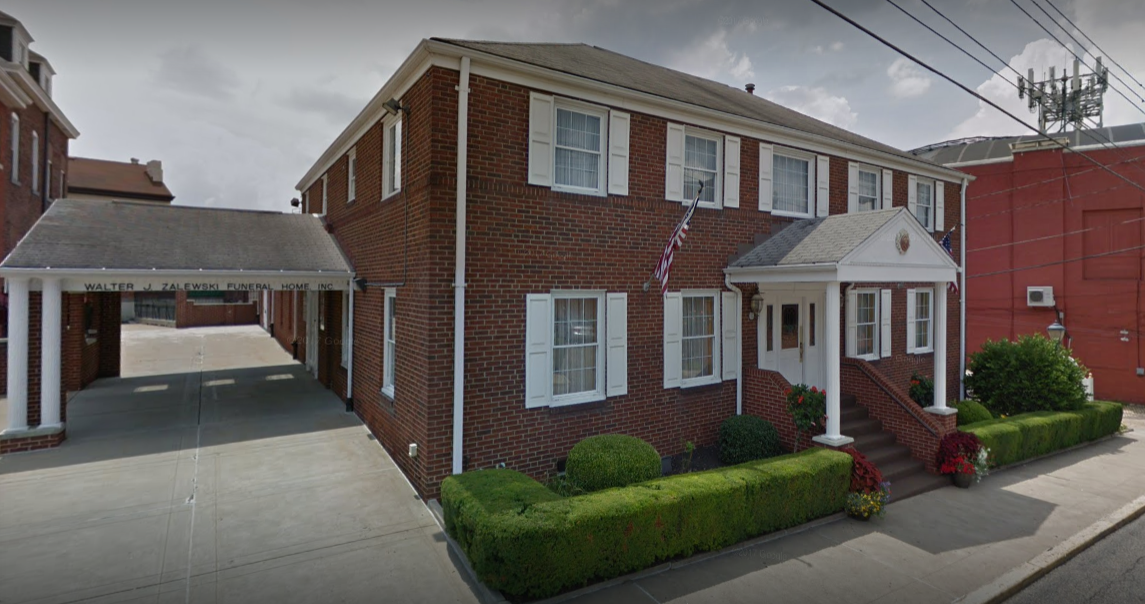
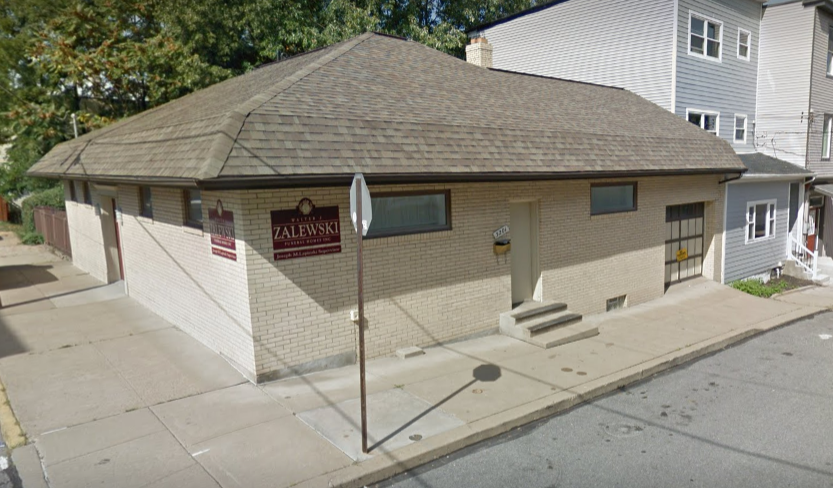
Walter J. Zalewski Funeral Homes, Inc. can help you understand the order of decisions without rushing you to settle every question during the first call. If your family is still absorbing the loss, ask which choices are time-sensitive and which can be discussed later.
When Family Members Are Far Apart
Distance can make grief feel more complicated. Early communication will not remove the sadness, but it can prevent confusion at a time when everyone is tired and emotional.
- Choose a primary contact: Select one person to speak with the funeral home and share confirmed information with the wider family.
- Set one update method: A group message, shared email thread, or scheduled phone update keeps relatives from hearing conflicting details.
- Ask about travel needs early:
Find out who needs time to arrange transportation, time away from work, childcare, or lodging.
- Invite meaningful participation: A relative who cannot attend may still provide a photograph, a written memory, music suggestion, reading, or message for the service.
- Separate input from final decisions:
It is kind to invite thoughts, but one or two designated people should be responsible for confirming choices.
When relatives are unable to gather right away, a later family-led remembrance may also be appropriate. This guide to
planning a family-led memorial gathering after the funeral can help families think through that separate occasion without overloading the days immediately after a loss.
When You Need to Begin Choosing Service Details
Once immediate care has been arranged, the next stage is usually a conversation about the kind of farewell that fits your loved one and your family. Families commonly consider burial or cremation, whether to hold a funeral service, memorial service, visitation, graveside gathering, or a more private time together.
A service date often cannot be confirmed until a few practical choices are clearer. These can include the place of gathering, whether there will be visitation beforehand, the availability of clergy or another leader, and the relatives whose presence matters most.
You may also discuss obituary information, photographs, military or community connections, music, readings, and people who may wish to speak. None of these tributes are required. A simple service with a few honest words can be deeply personal, while a larger gathering may give more people the chance to offer support.
If conversations become overwhelming, narrow the focus. Decide first what must happen, then what would be meaningful, and finally what can be left out without regret. Asking for gentle planning guidance early can make that distinction easier.
When a Service Must Be Planned Around Practical Needs
A
funeral timeline is not only about preference. Real-life needs often determine what is possible and when, especially when several people are involved.
- Work and school schedules:
Families may need a date that allows immediate relatives to be present without adding avoidable pressure.
- Travel time: A short delay can allow a sibling, grandchild, or close friend to arrive and take part.
- Faith and cultural customs: These may guide the order of visitation, prayer, service, burial, or gathering.
- Location availability: A church, cemetery, reception space, or other gathering place may influence the time of day or date.
- Family readiness: Some people need a quiet day to make calls, select photographs, or simply rest before facing a public gathering.
Waiting can give distant relatives more time to arrive, but it may also make prolonged uncertainty harder on the closest family members. Moving quickly can provide structure, yet it can leave others feeling unprepared. There is no perfect schedule. The best plan is one that respects the needs that matter most without trying to satisfy every preference at once.
When You Are Ready to Confirm the Plan
Before details are shared widely, take a final quiet review of the date, time, location, names, and order of events. Confirm who will welcome visitors, who may speak or read, and how family members will travel to each part of the day. Small errors are easier to correct before announcements are made.
Delegate simple tasks instead of carrying everything yourself. One person can gather photos, another can answer messages, and another can bring water or food to the immediate family. These are practical forms of care that protect the people closest to the loss.
Leave some room in the schedule for pauses. Families often need a few private minutes before the service, after the gathering, or before returning home. A meaningful farewell does not depend on making every moment formal or filling every silence.
For funeral homes Pittsburgh, PA families can rely on during an uncertain time, Walter J. Zalewski Funeral Homes, Inc. is available to help you understand what needs to happen now and what can wait. When you are ready to talk through the next step, call
(412) 682-3445.
Frequently Asked Questions
Do We Need Every Funeral Detail Decided Before We Call?
No. The first call is often about immediate care and understanding the next steps. Service details can be discussed gradually as your family is ready.
Who Should Make Decisions for the Family?
It helps to choose one primary contact and, when needed, one additional family member to assist. This reduces confusion while still allowing close relatives to share meaningful input.
What Usually Needs to Be Decided Before Setting a Service Date?
Families generally need to discuss the type of service, the preferred location, who needs to attend, and any timing needs connected to travel or traditions. The funeral home can help identify which details affect scheduling first.
Can Family Members Who Live Far Away Participate?
Yes. They may join planning calls, send memories or photographs, suggest music or readings, or share a message for the service. If they cannot attend, a later gathering may give them another way to honor their loved one.
Is It All Right to Keep the Service Simple?
Yes. A
simple gathering can be sincere and meaningful. The right service is the one that reflects your loved one and gives your family a manageable way to say goodbye.