Choosing a Cremation Memorial Style During Preplanning
Choosing cremation does not mean choosing a smaller or less meaningful farewell. Families considering cremation services Pittsburgh, PA can still plan a formal ceremony, a quiet gathering, a graveside remembrance, or a service shaped around personal traditions.
Key Takeaways
- Cremation and memorial planning are separate choices, with many ways to combine them.
- A memorial gathering can take place before or after cremation, depending on family needs.
- The setting, level of formality, and type of participation all affect the feel of a tribute.
- Preplanning is most helpful when it records priorities without overloading family members with rigid details.
- Sharing written wishes with trusted people can reduce uncertainty later.
A Cremation Choice Still Allows Meaning
Cremation is a method of final care, not a decision to avoid ceremony. A person may want a traditional-style service, a memorial gathering with photographs and readings, a graveside ceremony, or a private time for immediate family. The form of remembrance can be chosen separately from the cremation decision.
This distinction matters during preplanning. If loved ones hear only “I want cremation,” they may not know whether you hoped for a gathering, who should be included, or what kind of atmosphere would feel right. A few clear preferences can give them a better starting point.
Does Cremation Eliminate a Service?
No. Cremation does not eliminate the option for a service or gathering. A memorial may include music, spiritual elements, personal remarks, shared meals, military recognition when appropriate, or quiet time for guests to offer condolences.
Some people prefer a structured service led by a clergy member or celebrant. Others would rather have a more informal gathering where relatives and friends tell stories. Neither choice is more meaningful than the other. The most fitting choice reflects the person being remembered and the people who will gather.
Meaning Comes From Intentional Details
A meaningful memorial is usually built from a few details that feel true to the person’s life. Those details might include a favorite reading, a familiar hymn, family photographs, a display of hobbies, or a chance for guests to speak.
The goal is not to create a long list of tasks. It is to identify the elements that would matter most, so family members are not left guessing during an already difficult time. For additional guidance, families may find it useful to read about what a cremation memorial service can include.
Memorial Timing Can Fit Your Family
A memorial does not always have to happen immediately after a death. Cremation can give family members room to consider travel, work responsibilities, health needs, and the time required to gather photos or prepare remarks. Preplanning can express a timing preference while still allowing loved ones to respond to the circumstances they face.
Some people prefer a gathering soon after death because being together provides comfort. Others want family to have time to arrive from out of town or would rather hold a remembrance on a date that already has meaning. Both approaches can be thoughtful.
Can a Memorial Be Held Later?
Yes. A memorial can be held later when that timing better supports family participation and preparation. The important point is to let loved ones know whether timing is central to your wishes or whether you would like them to decide based on what is practical.
Waiting may allow more people to attend and give relatives time to prepare a fuller tribute. On the other hand, delaying can leave some family members feeling uncertain if no one knows what was intended. A brief written note can prevent that uncertainty without forcing a fixed date.
Timing Preferences Reduce Uncertainty
Rather than naming every detail, consider recording a general preference. You might note that you would value a gathering where close relatives can attend, or that you prefer a simple remembrance without a long delay.
That kind of direction gives family members room to make caring decisions together. It also helps them understand whether the timing itself matters to you, or whether the purpose of gathering is what matters most.
Compare Memorial Styles Before Deciding
The memorial style you choose affects how guests participate, how much planning is needed, and whether the gathering feels formal or relaxed. This comparison can help you identify what fits your values.
| Memorial Approach | Atmosphere | Guest Participation | Main Planning Consideration |
|---|---|---|---|
| Formal Memorial Service | Structured and reflective | Readings, music, condolences | Service order and participants |
| Visitation or Viewing | Personal and conversational | Visiting, sharing memories | Time and setting for guests |
| Graveside Ceremony | Brief and focused | Prayers, remarks, presence | Outdoor setting and attendance |
| Private Family Remembrance | Quiet and intimate | Close conversation and rituals | Who should be included |
| Celebration-Style Gathering | Warm and personal | Stories, photos, music | Keeping the tribute focused |
Which Setting Feels Most Appropriate?
The most appropriate setting is the one that matches the person’s relationships, beliefs, and comfort with public attention. A formal chapel service may feel right for someone who valued tradition, while a small family gathering may better suit someone who preferred privacy.
Consider the people who are likely to attend. Older relatives may appreciate a clear service structure, while close friends may value time to tell stories. It is also reasonable to combine approaches, such as a private gathering followed by a graveside ceremony.
How Much Structure Do You Prefer?
Some families feel supported by a planned order of service. Others prefer a simpler gathering with only a few prepared words and space for conversation. Neither approach requires every minute to be scheduled.
Preplanning can identify whether you want someone to lead the service, whether guests should have time to speak, and whether faith traditions should guide the gathering. Those choices can keep the memorial from feeling either overly formal or too unplanned.
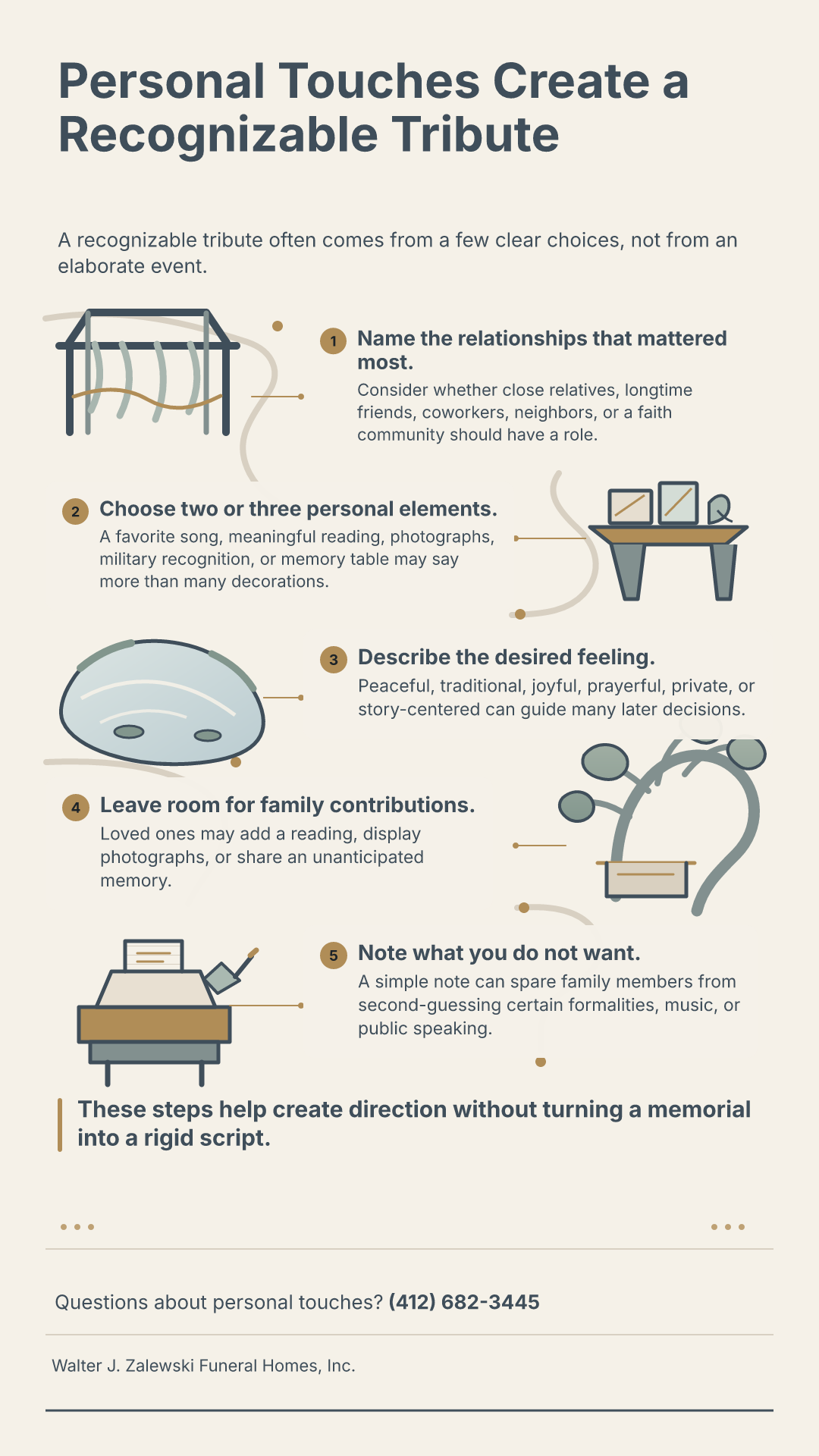
Personal Touches Create a Recognizable Tribute
Cremation memorials are not impersonal unless the plans give family members no sense of what mattered to the person. A recognizable tribute often comes from a few clear choices, not from an elaborate event.
Use these steps to turn personal values into helpful guidance.
- Name the relationships that mattered most. Consider whether close relatives, longtime friends, coworkers, neighbors, or a faith community should have a role in the gathering.
- Choose two or three personal elements. A favorite song, a meaningful reading, photographs, military recognition, or a memory table may say more than a large number of decorations.
- Describe the desired feeling. Words such as peaceful, traditional, joyful, prayerful, private, or story-centered can guide many later decisions.
- Leave room for family contributions. Loved ones may want to add a reading, display photographs, or share a memory that you could not have anticipated.
- Note what you do not want. If certain formalities, music, or public speaking would feel uncomfortable, a simple note can spare family members from second-guessing.
These steps help create direction without turning a memorial into a rigid script.
Shared Memories Shape the Gathering
The people who knew someone best often bring the details that make a service feel personal. A relative may remember a favorite saying, while a friend may have a story that reveals a different side of the person’s life.
Giving guests a clear opportunity to participate can be helpful, but it is not required. If a quieter gathering feels more suitable, photographs, music, and a prepared reflection may communicate just as much.
What Should Guests Experience?
Guests should leave with a clearer sense of the person’s life and the relationships they held dear. That may come through a formal tribute, a room filled with photographs, or a few honest stories shared by people who loved them.
If guests may be unsure how to participate, guidance for attending a memorial gathering can offer reassurance about what to say, wear, and bring.

Preplanning Notes Give Families Useful Direction
Preplanning notes are most useful when they state the decisions that only you can make well. These may include whether you want a gathering, the preferred style of service, people you would like involved, meaningful music or readings, and how you want your remains handled.
Small details can change over time. A favorite song may change, a friend may no longer be able to participate, or family circumstances may shift. For that reason, it helps to separate firm priorities from preferences that can be adapted.
Record Priorities Before Small Details
Start with the big decisions that will guide everything else. Your notes may address:
- Whether you want a public service, private remembrance, or no gathering
- Whether faith, military, or cultural traditions should be included
- Who should be invited or asked to speak
- Whether music, readings, or photographs matter to you
- Whether you prefer a graveside ceremony or another form of final remembrance
These notes can make later planning easier because family members understand the purpose behind your wishes. They do not need to guess whether a detail was essential or simply one possible idea.
Who Should Know Your Wishes?

At least one trusted person should know where your preplanning notes are kept. Consider sharing the main points with the person most likely to make arrangements, along with any relatives who may have strong feelings about the service.
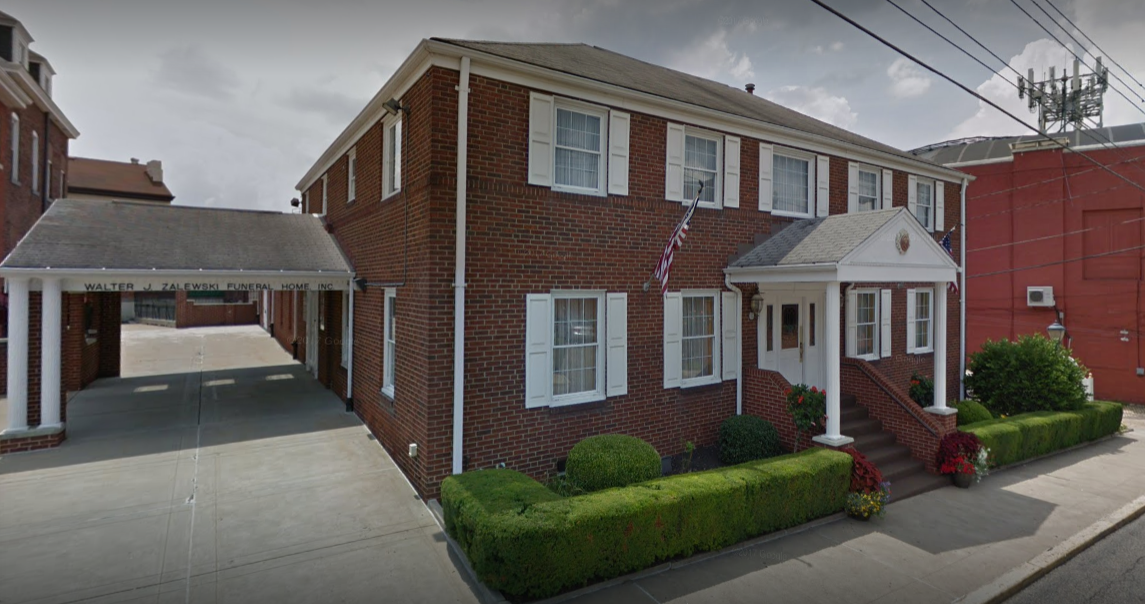
A funeral provider can also explain how your preferences may work with available options. Walter J. Zalewski Funeral Homes, Inc. offers basic and full-service cremation options, along with memorial services and graveside ceremonies, so families can discuss the approach that feels right.
Support Helps Turn Preferences Into Plans
The best cremation memorial style is the one that gives loved ones a clear sense of what you value while leaving enough flexibility for their needs. As you weigh cremation services Pittsburgh, PA, consider the setting, timing, participation, and personal touches together rather than treating any one choice as the whole plan.
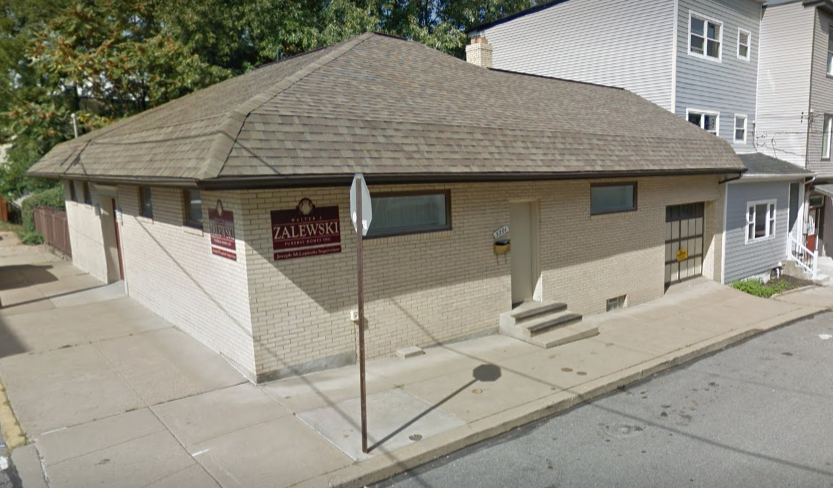
Walter J. Zalewski Funeral Homes, Inc. offers services in Pittsburgh, Lawrenceville, and Bloomfield, PA, and can discuss broad cremation and memorial options with you. Talk with our team about your wishes at (412) 682-3445.