Writing an obituary for someone we love can feel emotional and overwhelming. Many families worry about finding the right words or capturing a lifetime in just a few paragraphs. The truth is, a meaningful obituary does not need to sound perfect or formal. It simply needs to reflect the person honestly and with care. Families working with
cremation services Pittsburgh, PA often discover that an obituary becomes more than an announcement, it becomes a lasting tribute filled with memory, connection, and love.
A thoughtful obituary helps friends and family remember not only how someone passed, but how they lived.
Beginning With the Details That Matter Most
Most obituaries begin with the basic facts of a person’s life and passing. This gives readers a clear understanding of who the individual was while also sharing service information for those wishing to offer support.
Common details often include:
While these facts are important, the heart of an obituary usually comes from the personal details that follow.
Simple language often feels more genuine than overly formal writing. Families should feel comfortable writing in a tone that reflects their loved one’s personality.
Sharing Stories That Reflect Character and Personality
The most memorable obituaries often include small details that reveal who someone truly was.
A few meaningful examples might include:
- A grandfather known for early morning fishing trips
- A mother who never missed a family birthday
- A neighbor who always welcomed others with homemade meals
- A friend remembered for kindness and humor
These personal touches help readers feel connected to the individual being honored.
One family once shared a simple line in an obituary that read, “She believed every visitor should leave with a full stomach.” That single sentence told people more about her warmth and generosity than a long biography ever could.
Specific memories create emotional connection and make an obituary feel authentic rather than generic.
Finding the Right Balance Between Emotion and Clarity
It is natural to feel emotional while writing about someone you love. Some families worry they may say too much, while others struggle to say enough.
A helpful approach is to focus on clarity and sincerity rather than perfection.
Short paragraphs and conversational language usually feel easier to read during emotional moments. Instead of listing every accomplishment, consider highlighting the values, relationships, and moments that mattered most.
Questions that may help guide the writing include:
- What made this person unique?
- How did they impact others?
- What will family and friends remember most?
- What moments brought them joy?
These reflections often lead to more meaningful writing than trying to create a formal summary of someone’s life.
Including Service Information Without Losing the Personal Touch
An obituary also serves as a practical way to inform others about memorial arrangements.
Including service details clearly helps guests feel prepared and supported. Information often includes:
Even while including these details, the obituary can still feel warm and personal.
Some families choose to end with a favorite quote, short prayer, or meaningful phrase that reflects the individual’s spirit. Others prefer a simple closing message that thanks the community for support during a difficult time.
Why Obituaries Matter More Than Many Families Realize
An obituary often becomes one of the few written records that future generations revisit years later.
Children, grandchildren, and relatives may return to those words long after services end. Because of this, even small personal details can carry lasting significance.
Obituaries also help communities come together during loss. Friends who may not have spoken for years often reconnect through shared memories and support.
In many ways, writing an obituary is not only about announcing a passing. It is about preserving identity, honoring relationships, and recognizing the impact one life had on others.
Giving Yourself Permission to Ask for Help
Many families feel pressure to write an obituary quickly while also navigating grief and planning responsibilities. Asking for support during this process is completely okay.
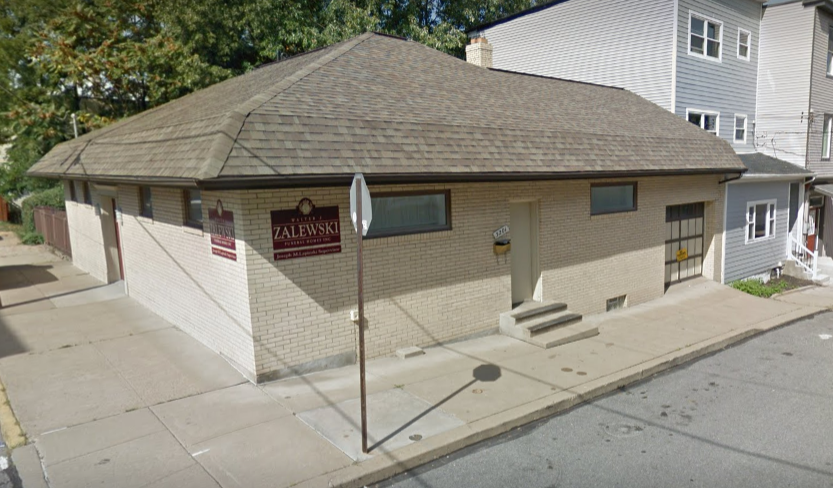
At Walter J. Zalewski Funeral Homes, Inc., we understand how emotional obituary writing can feel during a difficult season of life. Our compassionate team helps families create tributes that feel personal, thoughtful, and genuine while guiding them through planning decisions connected to cremation services Pittsburgh, PA. If you need caring assistance or immediate support, call
(412) 682-3445 to speak with someone who can help. You can also explore our
obituary planning and memorial support resources through our internal family care page.